
Cooling for AI, GPU and High-Heat Workloads
High-Density Cooling Solutions
We design scalable, efficient and reliable cooling systems for AI and high-density IT workloads using CDU and rear-door cooling technologies.
Controlled Thermal Management for Mission-Critical Workloads
Traditional Cooling Is Not Always Enough for Increasing Rack Densities
AI applications, GPU clusters, blade systems and compute-intensive IT environments can generate thermal loads beyond the capabilities of conventional data center cooling approaches.
In these environments, room-level cooling alone may not be sufficient. More controlled, targeted and efficient thermal management is often required at rack level.
High-density cooling solutions manage heat closer to the source, helping maintain performance continuity, reduce hotspot risk and make capacity planning more predictable.
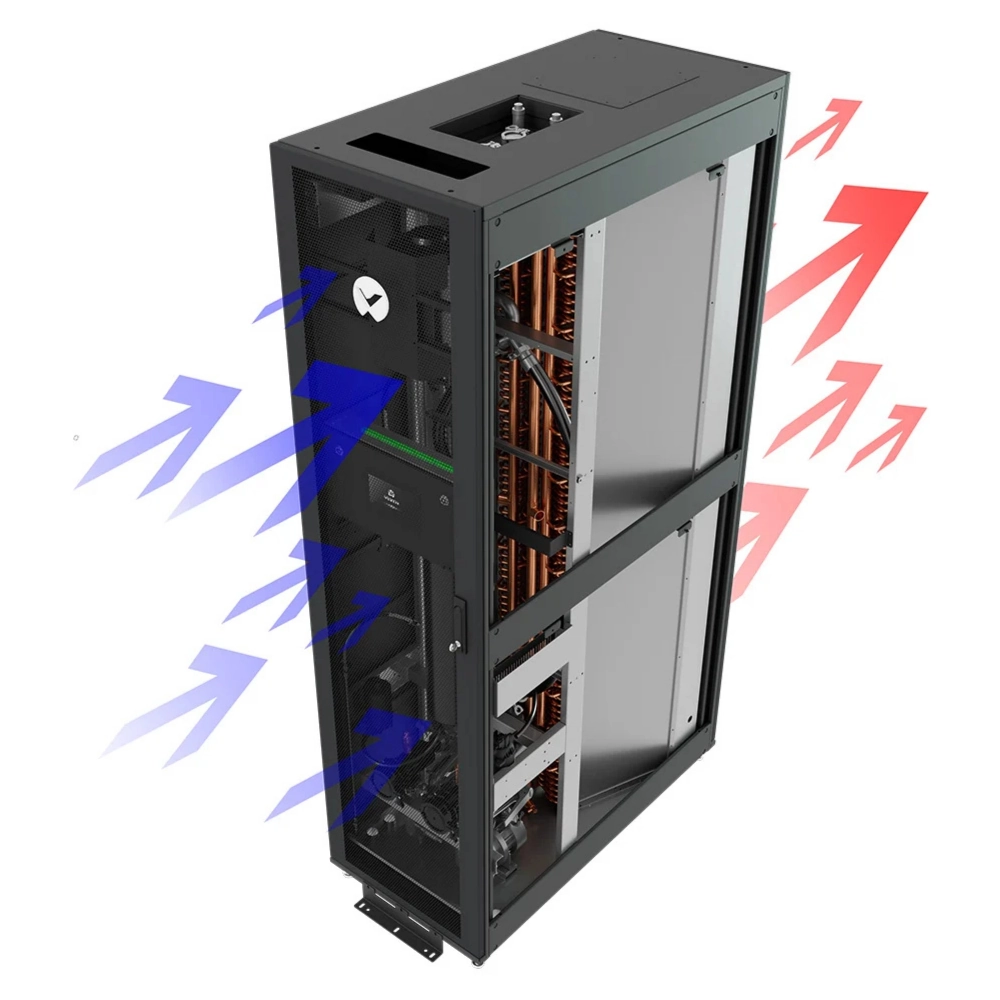
Why Is High-Density Cooling Required?
Increasing Thermal Loads
AI, GPU and high-performance computing environments generate significantly higher heat loads at rack level.
Hotspot Risks
Insufficient airflow or conventional distribution methods can create localized temperature increases and performance risks.
Space and Energy Use
Supporting greater computing capacity within the same footprint requires a more controlled cooling architecture.
Future-Ready Capacity
Cooling systems designed for gradual density growth enable safer and more predictable expansion planning.
A Layered Cooling Approach for High-Density IT Environments
Not every high-density data center requires the same cooling architecture.
Some projects require rack-level solutions that remove heat close to the source, while others depend on Cooling Distribution Units (CDUs) to manage and distribute liquid cooling circuits. In some environments, high-density zones operate within a hybrid architecture alongside room-based precision cooling.
HyperDC Data evaluates workload profiles, rack density, existing mechanical systems, energy-efficiency objectives and future growth scenarios to determine the most suitable architecture.
Rack-Level Heat Management
Control localized temperature increases by managing heat close to where it is generated.
Liquid Cooling Distribution
Manage cooling across high-density workloads through CDUs and liquid-cooling systems.
Integration with Room Cooling
Create a balanced architecture by integrating rack-level systems with precision room cooling.
Featured High-Density Cooling Solutions
Cooling requirements vary according to rack design, heat load and existing facility systems. The following technologies support more controlled and targeted thermal management in high-density environments.
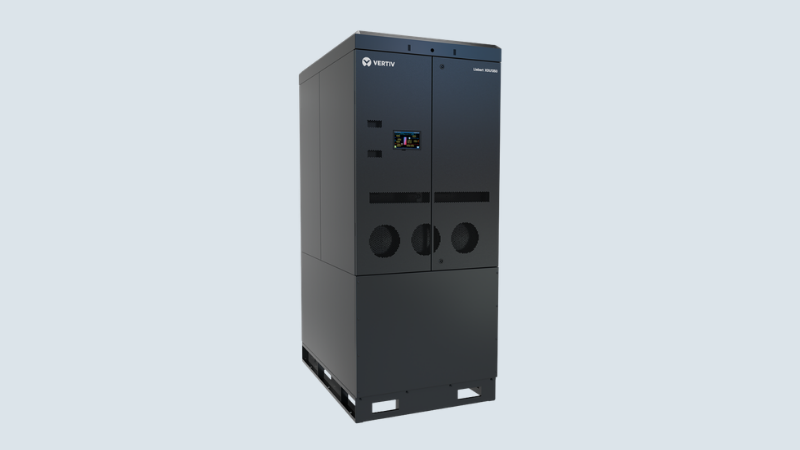
Liebert XDU Cooling Distribution Unit
A CDU solution designed to manage, distribute and control liquid cooling circuits in high-density environments. It plays a critical role in system integrity, operational visibility and scalable deployment.
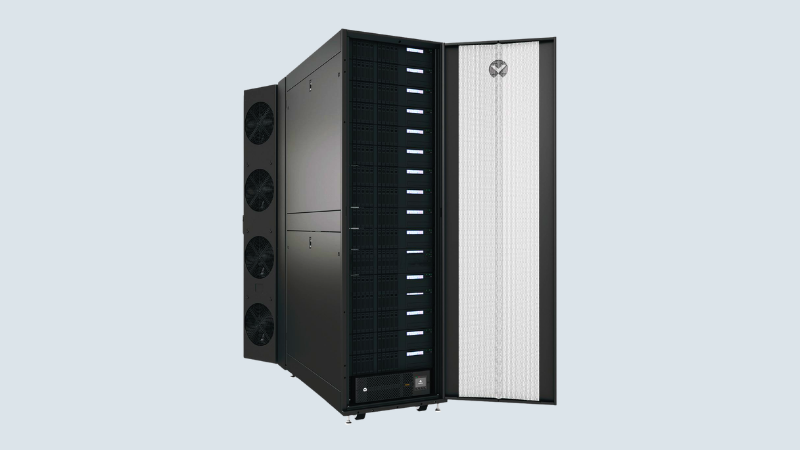
Vertiv Liebert DCD
A rack-level heat-transfer solution for controlled thermal management in high-density applications. It reduces hotspot risk and supports reliable operation in high-performance IT environments.
Complementary Cooling Solutions
High-density environments are rarely supported by a single product. Free cooling and precision cooling systems often work together as part of a broader architecture to improve overall efficiency and operational continuity.
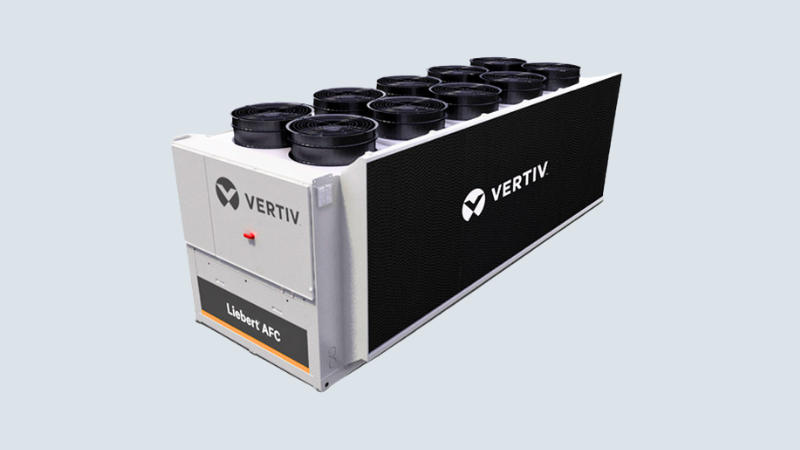
Vertiv Liebert AFC
A free cooling chiller solution that supports energy-efficiency objectives and helps optimize the load on the wider cooling system where project conditions allow.
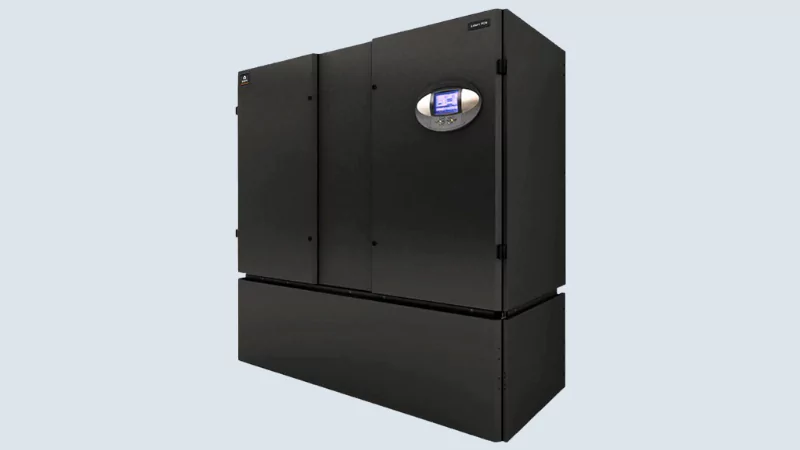
Vertiv Liebert PCW
A room-based precision cooling solution that can operate alongside high-density zones as part of an integrated thermal management architecture.
Recommended Applications
Key Benefits of High-Density Cooling
Frequently Asked Questions
Engineering the Right Cooling Architecture for High-Density Workloads
Let us evaluate your thermal load profile, capacity plans and operational objectives to define the right high-density cooling approach.
By combining rack-level and room-level technologies, we can develop a more controlled, efficient and scalable cooling architecture.