Liquid Cooling Article Series – Part 1
This section discusses the need for liquid cooling, hybrid data center designs, mechanical systems and CDU distribution infrastructure.
Liquid cooling systems are now emerging as an option with no real alternative. In the short term, they will also become an area that our industry will need to work on extensively and design projects around.
So, what are the limits of liquid cooling? Can liquid cooling systems be adapted to existing data centers? Let us examine these processes together in detail.
Why Are Liquid Cooling Systems Necessary?
As heat loads per rack cabinet increase, it is no longer possible to provide sufficient data center cooling with standard cooling systems alone.
Rack cabinet designs are increasing every day, from heat loads of 20 kW per cabinet to loads exceeding 100 kW. This is exactly where the liquid cooling revolution has emerged.
Hybrid Cooling Solutions in Data Centers
For data centers planned for the future, liquid-cooled systems can easily be included from the first day, and every detail can be designed to support liquid cooling systems. At the same time, data centers originally planned with air cooling are also being designed as hybrid systems capable of accommodating liquid-cooled racks. Even when liquid cooling is not required on day one, data centers are now expected to include infrastructure that can support liquid cooling in preparation for future high-density heat loads.
There are many parameters and variables that must be considered in both liquid- and air-cooling systems. Working with a solution partner experienced in both technologies is therefore an important step toward successful design and planning.
When planning to introduce liquid cooling into an air-cooled data center, the following key considerations should be addressed.
1. Capture the Heat Load at the Right Point
For a hybrid system installation, heat-load distribution, planned thermal loads per cabinet and the type of fluid to be used are among the most important parameters. The right system must be designed for the right location from the first day, preventing the project from being overdesigned or underdesigned.
In summary, we must first determine the percentage-based distribution between liquid and air cooling within the hybrid data center architecture.
2. Mechanical System Components
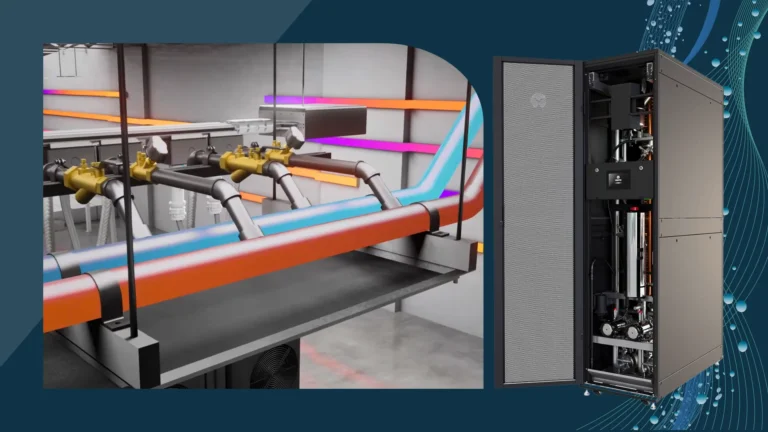
To provide liquid cooling, mechanical piping must be installed. The system must first be prepared as a flow diagram in accordance with the required standards, such as Tier requirements and EN 50600, and the actual installation must follow the approved project design.
This will be one of the most challenging elements when working within an existing data center. A phased infrastructure approach must be developed by considering several critical parameters, including:
- Which areas the piping systems will serve
- Whether a dedicated mechanical corridor can be created
- Whether the piping could obstruct airflow in areas with underfloor air-distribution systems
- How the installation can be expanded gradually
3. Distribution and Flow Management
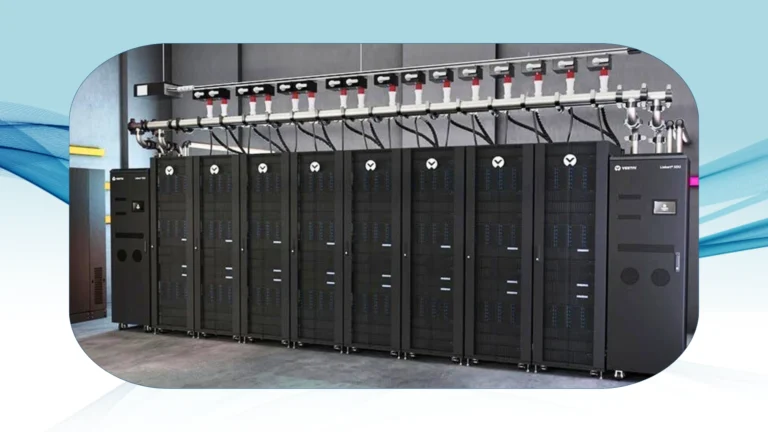
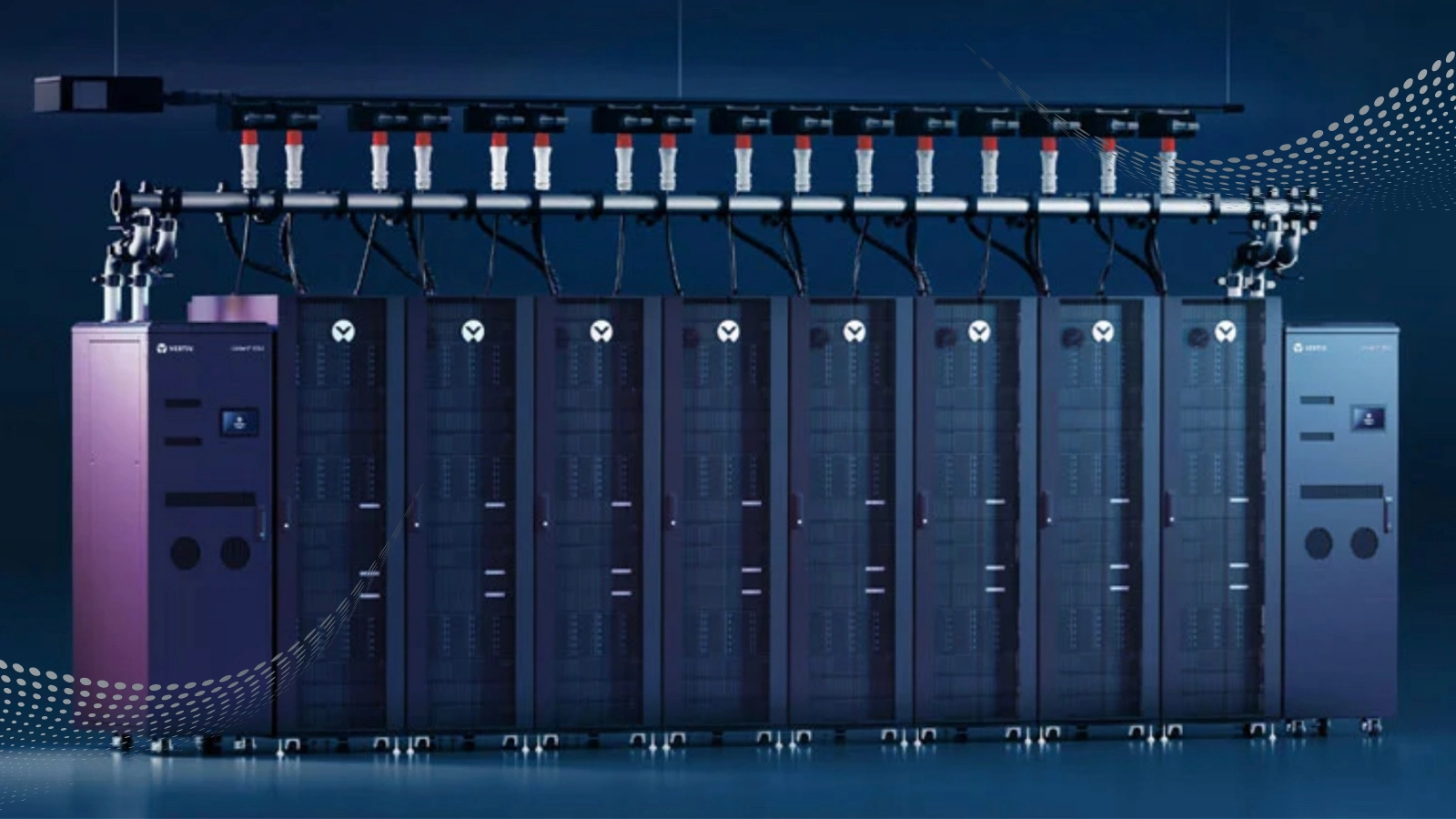
With liquid cooling, a secondary cooling loop must be established to enable precise control of the fluid distributed to the rack cabinets. The key component within this loop is the Cooling Distribution Unit (CDU). In addition to controlling temperature and flow rate, the CDU uses filtration to capture debris and help maintain fluid cleanliness.
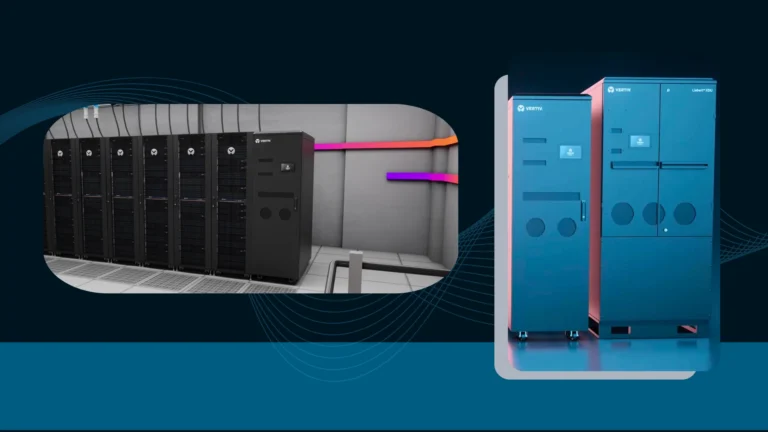
Although CDUs can be positioned throughout the data center, most units are designed to fit within the row so they can be installed close to the rack cabinets they support.
For more information, you can contact us through our communication channels. We will continue sharing the next parts of this article and the latest developments on this subject.
Are You Planning High-Density Cooling Infrastructure?
Evaluate the suitability of liquid cooling, hybrid cooling and CDU infrastructure for your existing or new data center together with our engineering team.