
UPS and Uninterruptible Power Solutions
Business continuity with modular and monolithic UPS configurations.
Continuous Power, Business Continuity
Uninterruptible Power Architecture for Critical Loads
Protect critical IT loads against power fluctuations and outages with Vertiv Liebert UPS solutions.
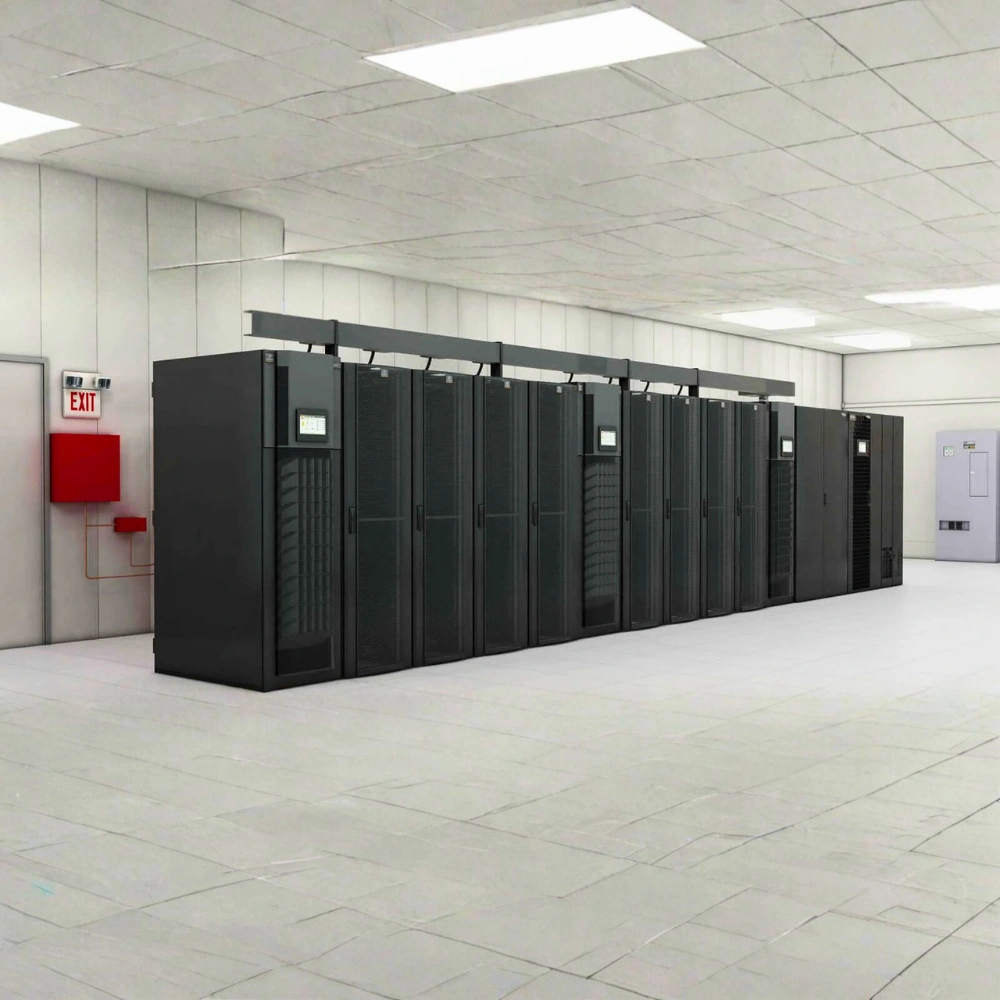
In data centers, uninterrupted power means more than continuous electricity. It supports business continuity, data integrity and operational security. HyperDC Data designs modular or monolithic UPS architectures according to your critical load profile and manages installation, commissioning and maintenance processes end to end.
Uninterruptible Power Designed for
Critical Loads
Modular or Monolithic?
Select the Right UPS Architecture
UPS selection should consider capacity, expansion plans, maintenance strategy and redundancy objectives together.
Modular UPS
Suitable for projects requiring phased capacity expansion and flexible redundancy management. Modular architectures support operational continuity during planned maintenance and provide advantages where future load growth is expected.
Monolithic UPS
A practical approach for projects prioritizing standardized installation and management through a single UPS unit. Capacity expansion is typically planned through additional units and parallel configurations.
IT load, sudden load changes and future growth allowance.
Single- or three-phase requirements, critical panels and distribution topology.
N, N+1 and 2N architectures and parallel operating scenarios.
VRLA or lithium-ion batteries, autonomy targets, space and thermal impact.
Static and manual bypass requirements and planned maintenance windows.
Partial-load efficiency, energy consumption and service strategy.
UPS Selection Criteria
The right UPS design depends on site conditions, load requirements and operational objectives. During the assessment process, we evaluate the following factors to define the most suitable architecture.
SNMP and Modbus connectivity, DCIM/BMS integration and event management.
UPS Product Series
Modular UPS Solutions
UPS architectures designed to support scalable capacity planning, flexible redundancy and future load growth. They provide operational flexibility for data centers and mission-critical facilities with expansion requirements.
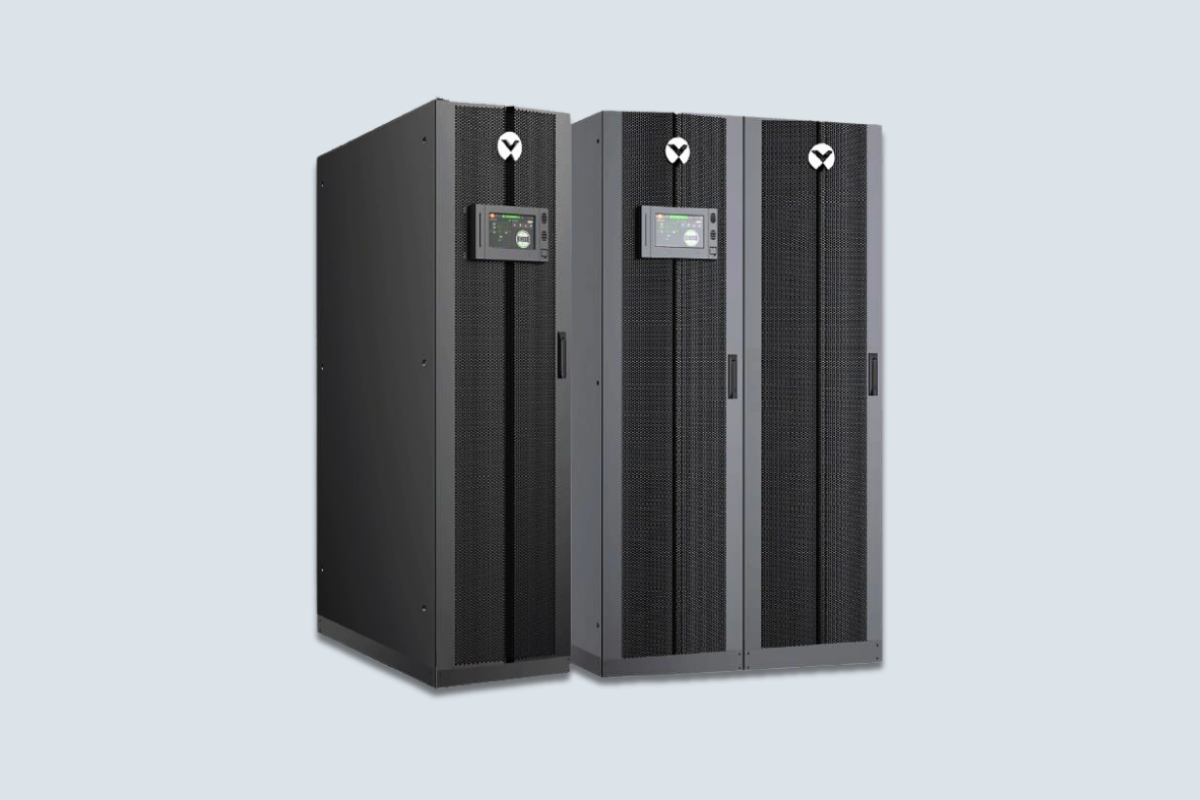
Vertiv Liebert APM2
Its in-cabinet modular architecture supports phased capacity expansion and provides operational flexibility during maintenance and upgrade scenarios.
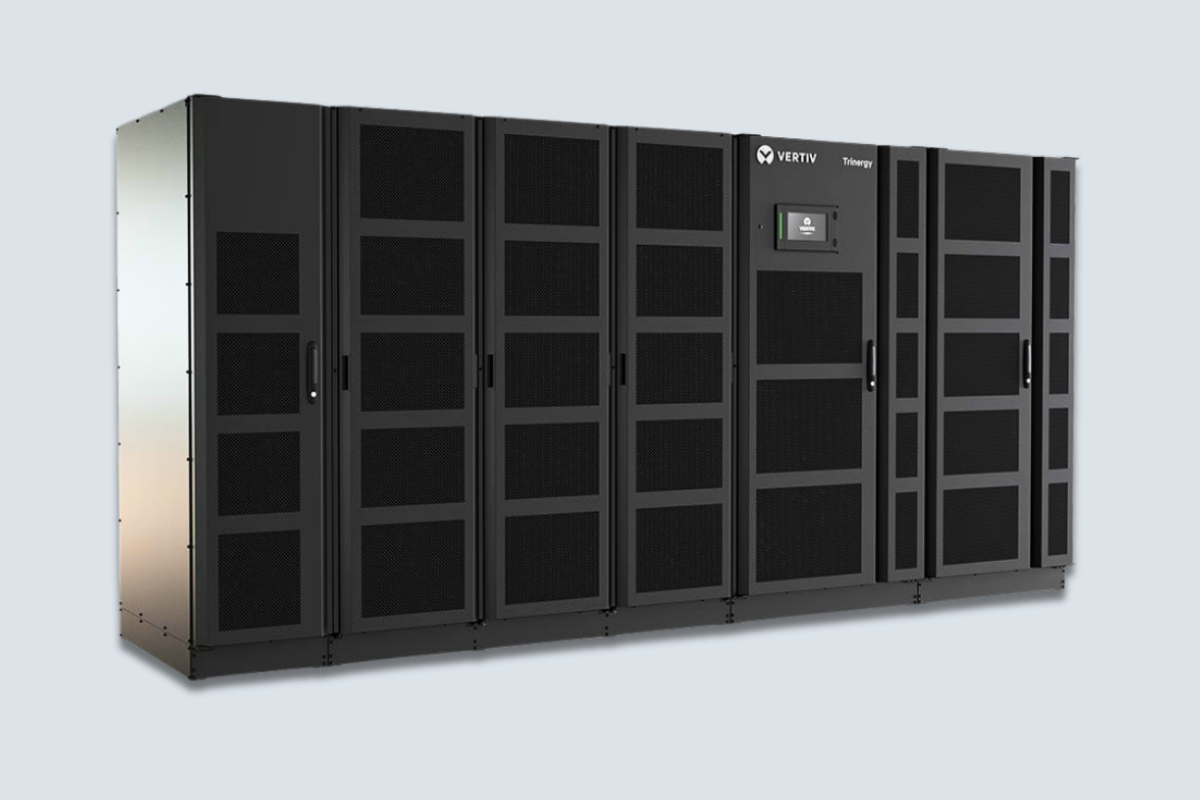
Vertiv Trinergy UPS
Designed for high-power data center and critical facility applications where efficiency, redundancy and system integration must be evaluated together.
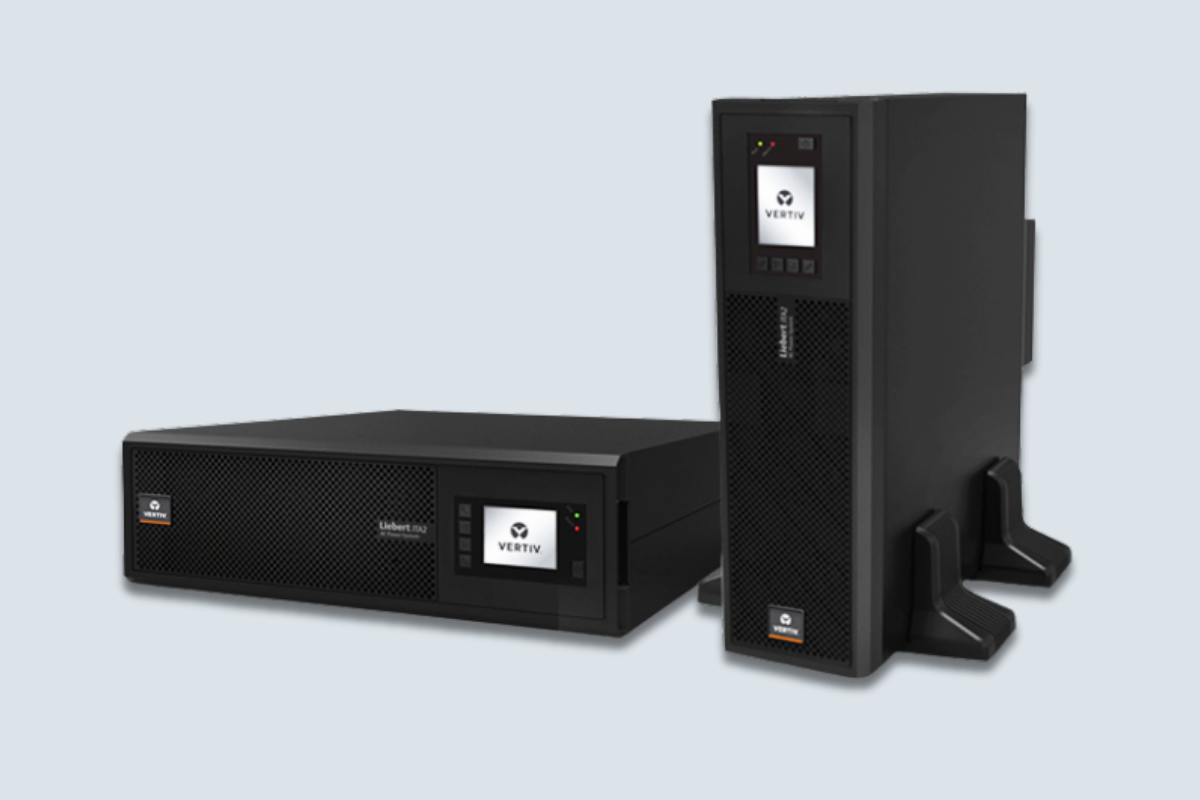
Liebert ITA2
Suitable for monolithic single-unit deployments while also supporting scalable capacity and redundancy through parallel configurations.
Monolithic UPS Solutions
Monolithic UPS systems provide a practical approach for projects prioritizing compact construction, standardized installation and simplified single-unit management—from edge IT loads to three-phase applications.
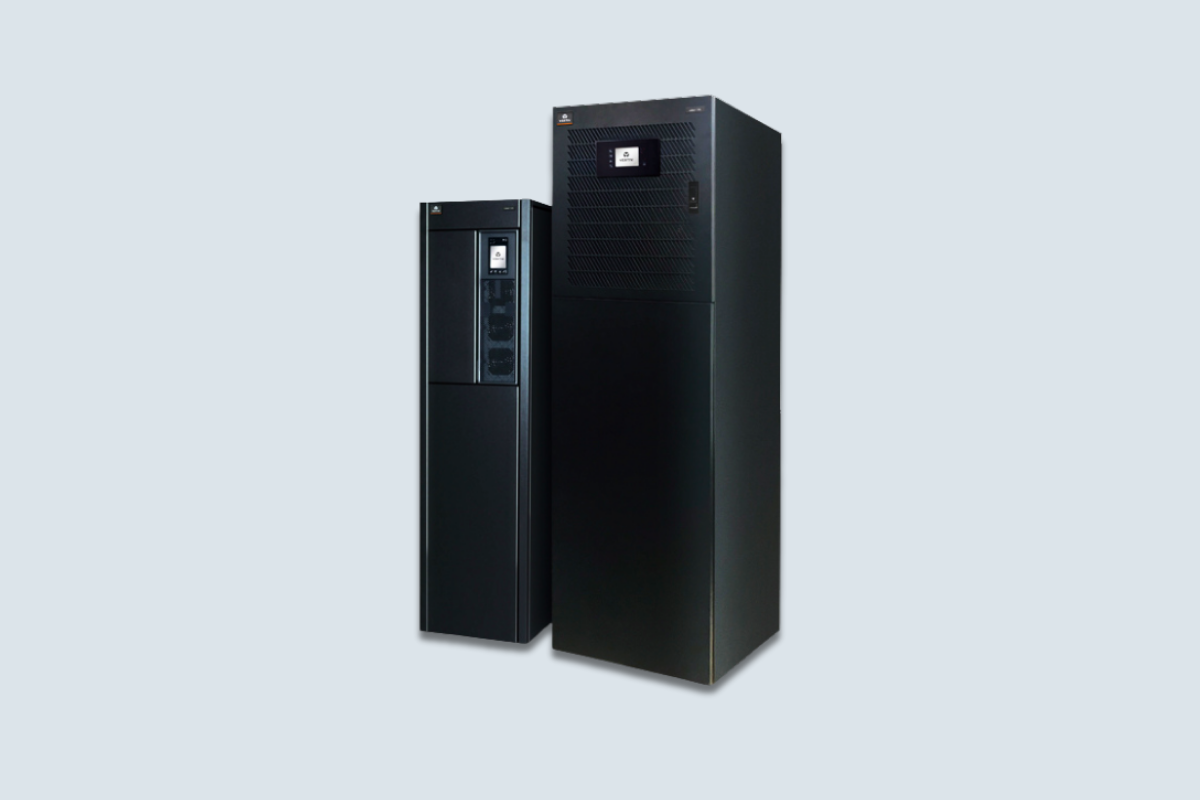
Liebert EXS
A practical option for three-phase applications requiring a compact footprint, streamlined installation and straightforward operation.
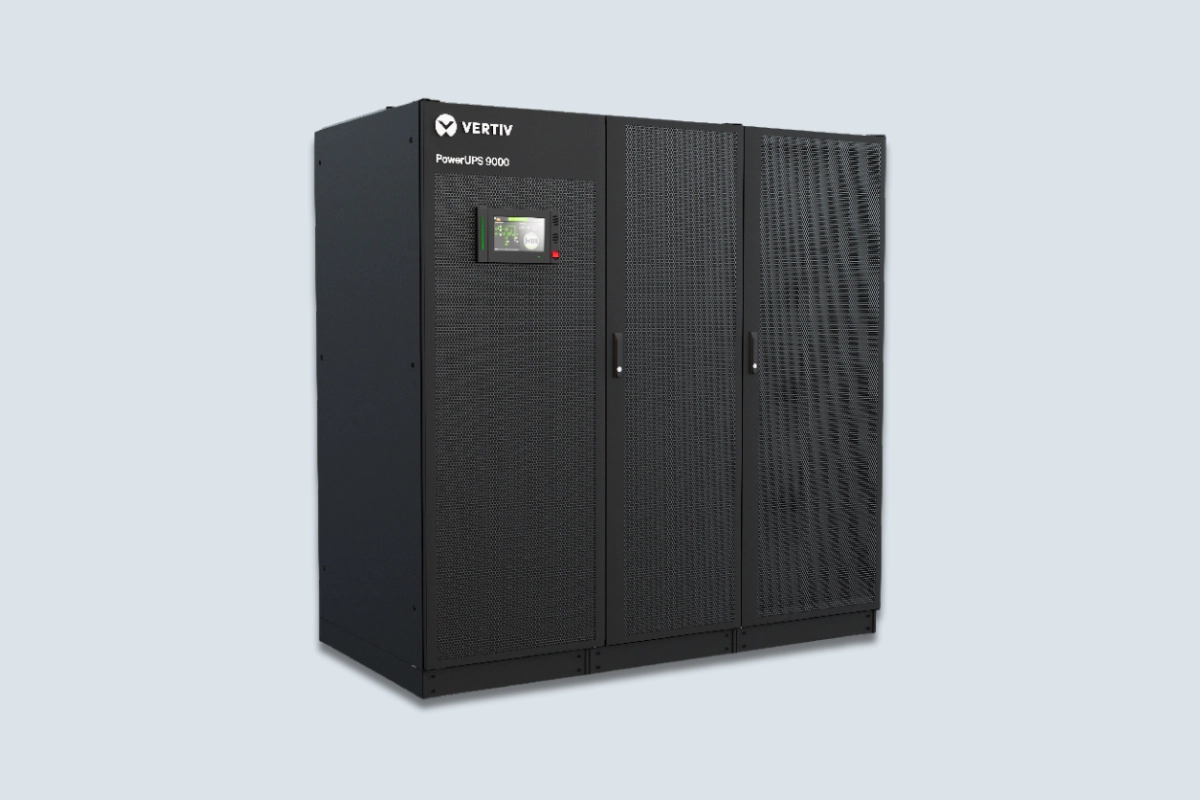
Vertiv PowerUPS 9000
A high-capacity monolithic UPS solution for mission-critical systems. Parallel configurations can be planned according to capacity and redundancy requirements.
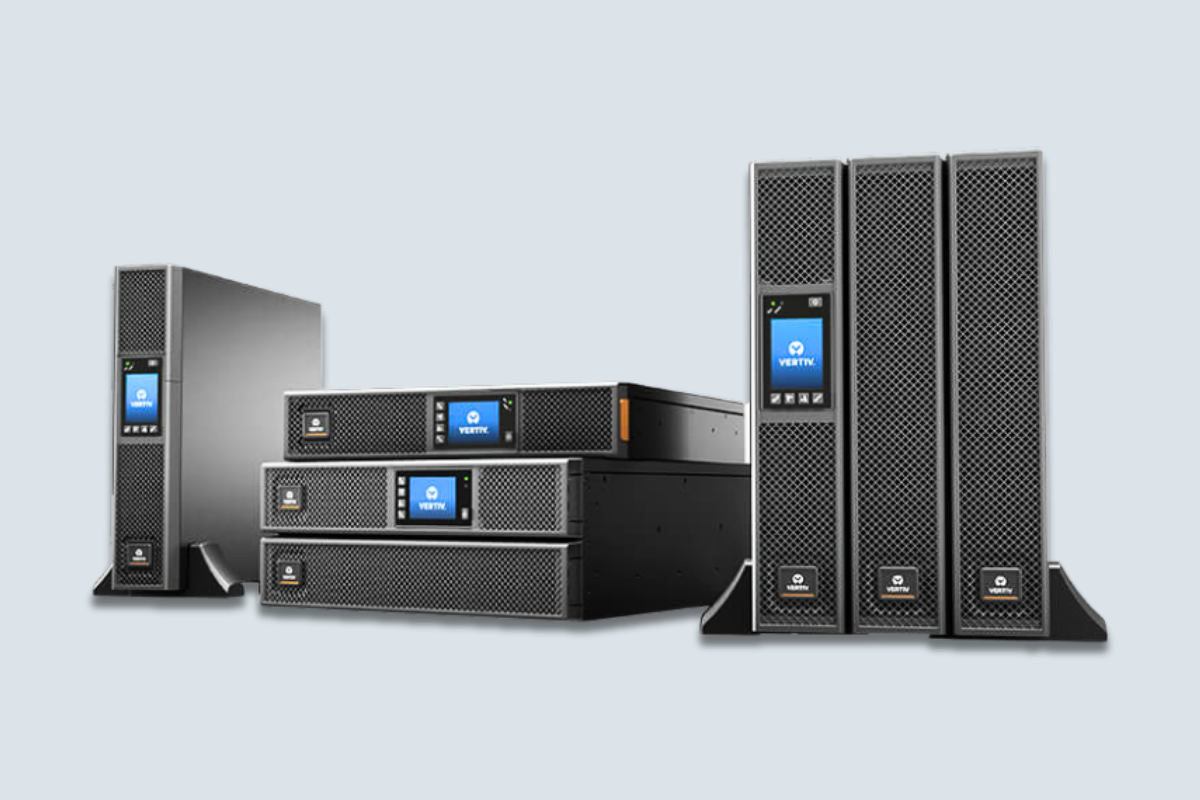
Liebert GXT5
Suitable for edge environments and critical IT loads with rack or tower installation options. Integrated monitoring and alarms improve operational visibility.
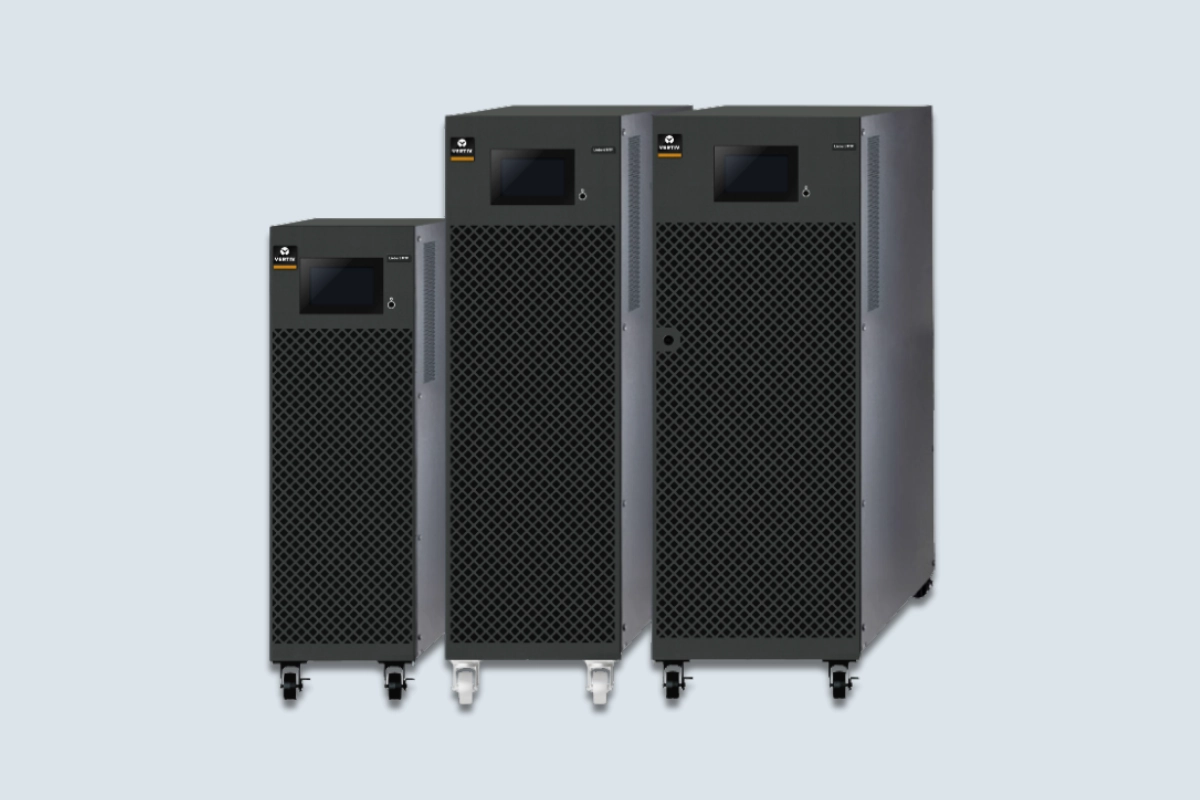
Liebert MTP
A UPS solution that can be configured according to project requirements. Its architecture is defined based on capacity, redundancy and installation conditions.
Battery Technology: Lithium-Ion
Lithium-ion is not a separate UPS product category but a battery technology available with selected UPS systems.
It should be evaluated alongside VRLA batteries according to expected service life, space requirements, maintenance strategy and total cost of ownership.
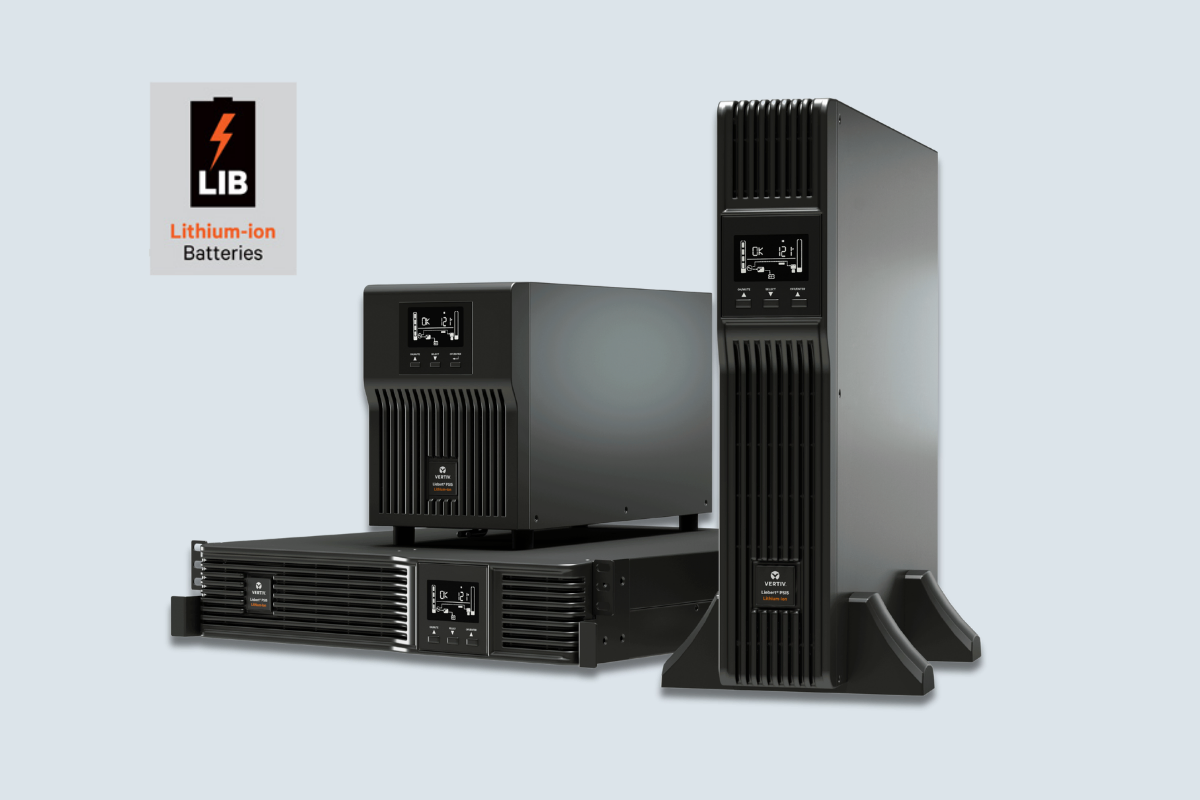
Lithium-Ion Battery Options
Batarya teknolojisi seçimi; çalışma süresi hedefi, sıcaklık koşulları ve bakım stratejisiyle birlikte ele alınmalıdır. Uygun senaryolarda alan ve servis yaklaşımında avantaj sağlayabilir; proje şartlarına göre konumlandırılır.
End-to-End Project Management from
Installation to Commissioning
A UPS system can create operational risk not only when incorrectly selected, but also when improperly integrated. For this reason, HyperDC Data manages design, installation, testing and monitoring as a coordinated process.
Assessment and Design
Load analysis, growth forecasts, redundancy objectives, bypass architecture and power distribution planning.
Installation and Commissioning
Site coordination, cabling, functional tests and load-based validation scenarios.
Monitoring and Operations
Alarm integration, preventive maintenance planning and critical component lifecycle management.
Frequently Asked Questions About UPS Selection
Defining the Right UPS Architecture
Let us assess your load profile, redundancy objectives and battery strategy to determine the most suitable UPS architecture. We can also begin with a focused risk and improvement assessment of your existing power systems.