
Lithium-Ion Batteries
For UPS Systems
Lithium-ion batteries provide an alternative to VRLA for projects focused on longer service life, reduced maintenance and more compact deployment.
They support critical power applications ranging from distributed edge environments to data centers.
Longer Service Life • Smaller Footprint and Lower Weight • Faster Recharge • BMS-Based Monitoring
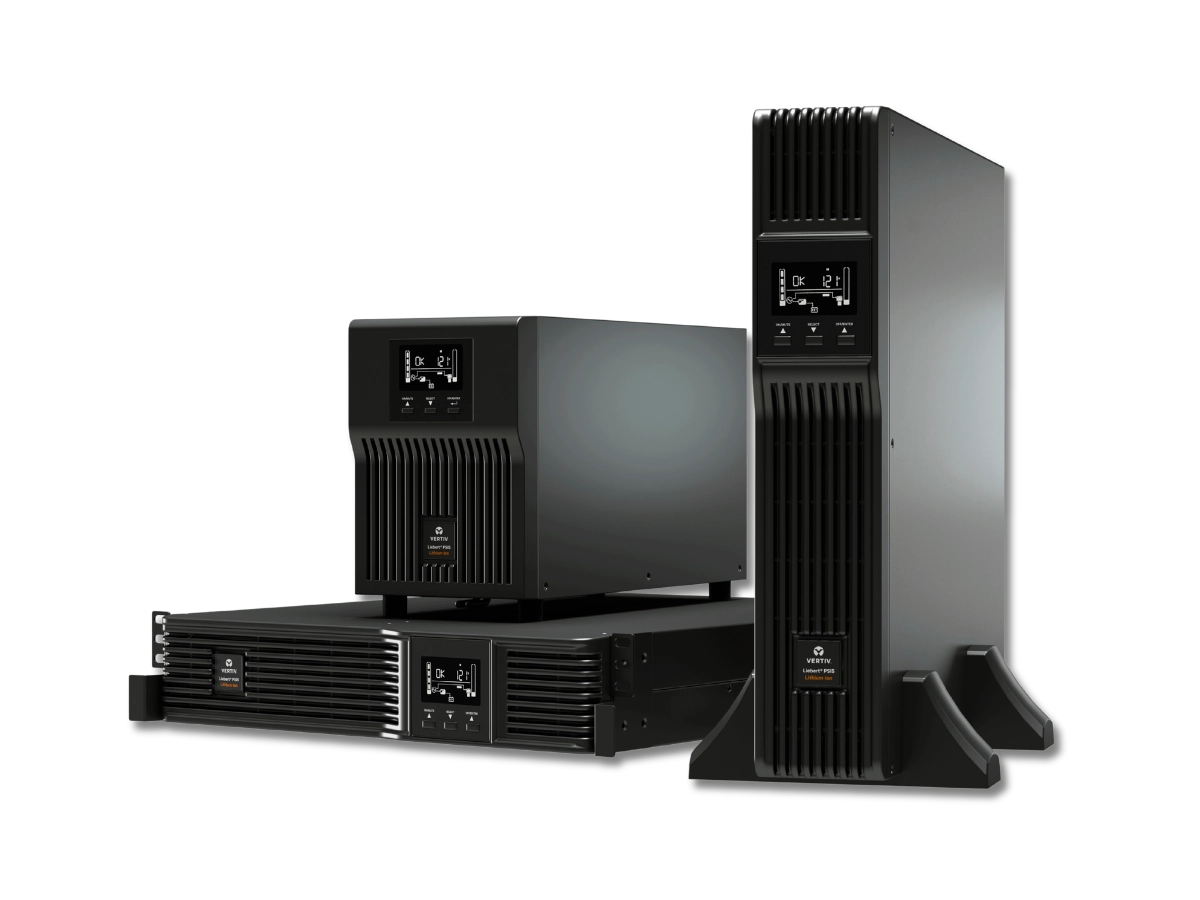
What Does Lithium-Ion Offer for UPS Applications?
A battery technology approach supporting longer service life, reduced maintenance and more compact deployment across edge and data center applications.
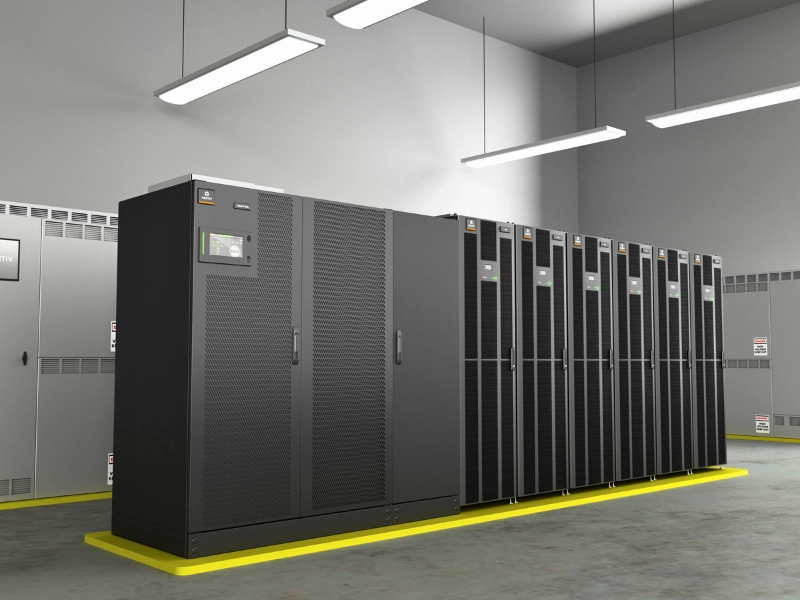
Key Advantages of Lithium-Ion over VRLA
Lower Total Cost of Ownership
Longer service life and fewer replacements help reduce maintenance and labor costs. TCO should consider upfront cost, space, maintenance and replacement cycles.
Smaller and Lighter
Higher energy density enables more compact battery cabinets and helps reduce system weight. This can provide greater installation flexibility and reduce floor-loading requirements.
Longer Life and Faster Recharge
Longer service life, higher temperature tolerance and faster recharge support operational continuity and reliable performance in demanding conditions.
VRLA or Lithium-Ion?
Battery selection should consider service life, replacement cycles, available space, maintenance strategy and total cost of ownership. The following comparison helps identify the most suitable battery approach for each project.
VRLA Batteries
Valve-Regulated Lead-Acid batteries are widely used and generally offer a lower initial investment. Preventive maintenance and replacement cycles should be incorporated into the operational plan.
Lithium-Ion Batteries
Lithium-ion batteries are well suited to projects focused on longer service life and reduced maintenance. Their compact design and BMS-based monitoring simplify space and operational management.
Integrated Lithium-Ion UPS or External Battery Cabinet?
Integrated Lithium-Ion UPS
Some UPS models integrate lithium-ion batteries within the enclosure, simplifying installation and operation in edge environments and IT rooms.
External Lithium-Ion Battery Cabinet
Some UPS models integrate lithium-ion batteries for simpler installation, operation and maintenance across edge environments, IT rooms and distributed applications.
Lithium-Ion UPS Products
The following products provide lithium-ion battery options across different power ranges. The final configuration should be determined according to project requirements.
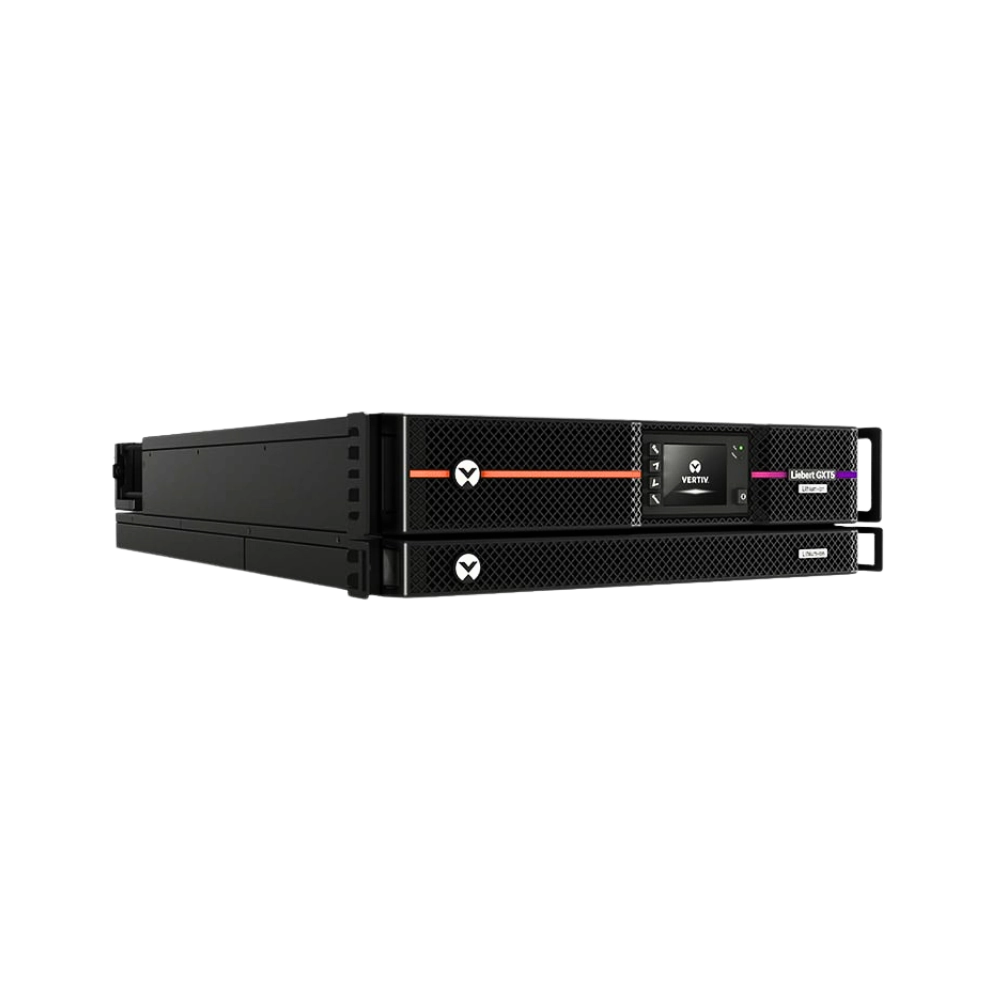
(5–10 kVA)
An online double-conversion lithium-ion UPS offering rack/tower installation flexibility. It supports compact deployment and scalable runtime for critical IT loads.
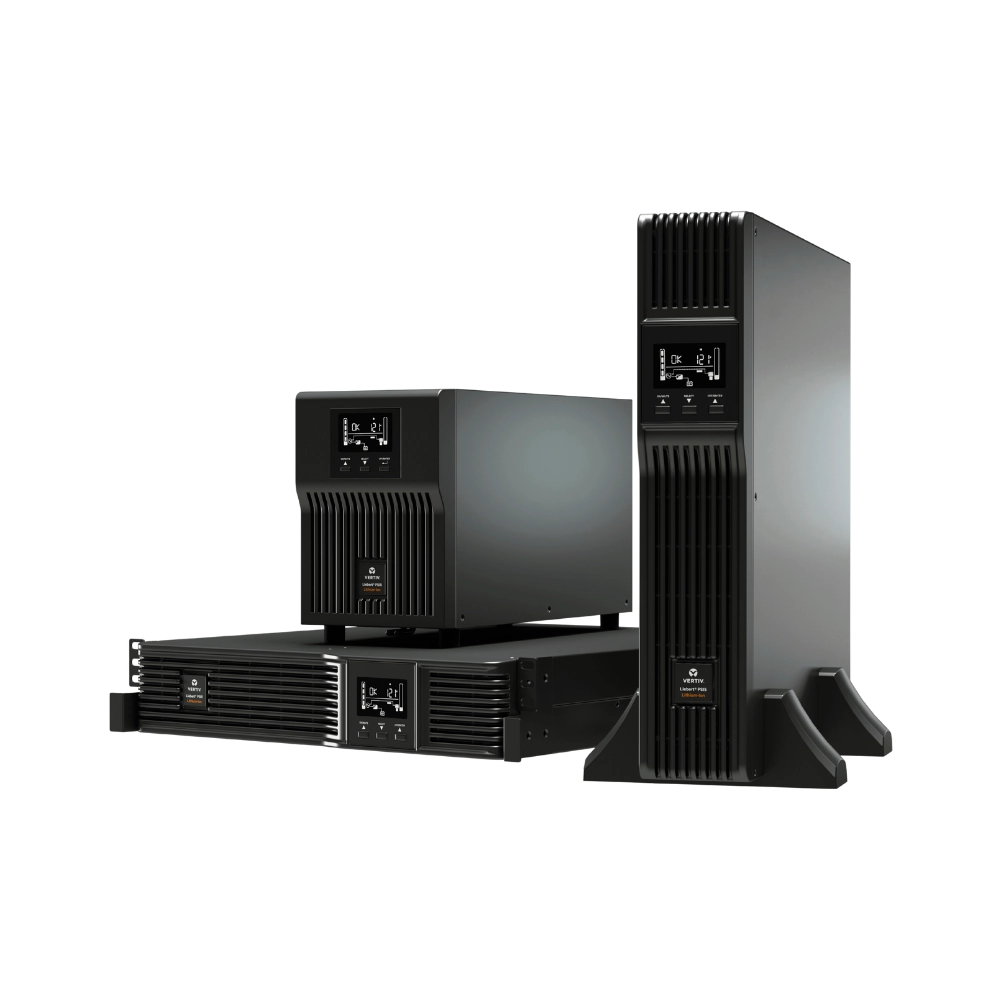
(500VA–3000VA)
A line-interactive UPS for network, POS and security loads, with AVR and sine-wave output for reliable protection across distributed edge applications.
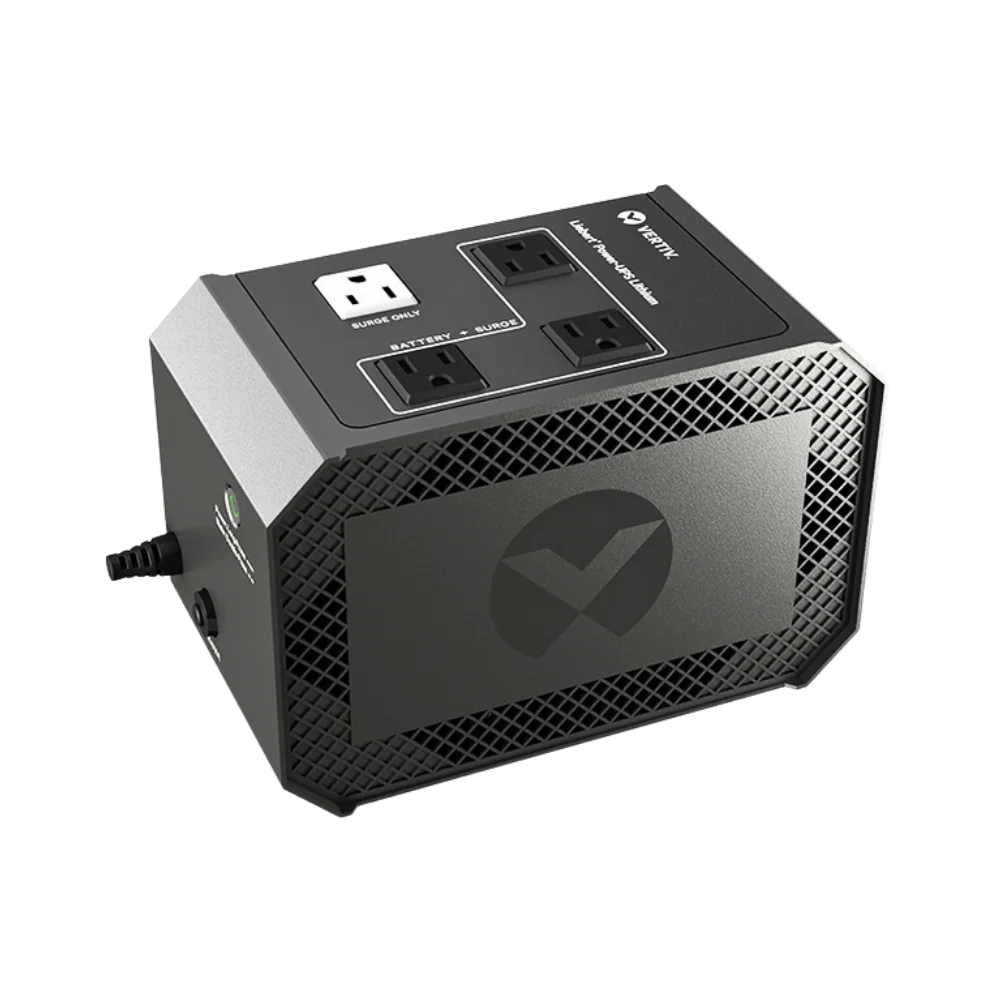
(400VA)
A compact battery backup and surge-protection solution for small devices in space-constrained environments. Its simple design supports rapid deployment and everyday operation.
Monitoring and Safety
The Battery Management System (BMS) helps monitor battery health and charge status in lithium-ion systems.
Remote visibility and alarm integration can be configured through the UPS, BMS or communication gateway.
Frequently Asked Questions
Define the Right Battery Strategy
Let us compare VRLA and lithium-ion technologies based on your runtime targets, space constraints and operating conditions.